
If I asked you to name something you associate with Canterbury, you’d probably say, ‘Archbishop of’, ‘cathedral’, ‘Thomas Beckett,’ or ‘pilgrims’. Or ‘cricket’, if you’re that way inclined.
If you asked me to name something I associate with Canterbury, I’d say ‘theatre’.
Why? Because Canterbury’s connection to theatre goes way back to the 1500s and includes links to two of the country’s earliest and most important playwrights, Christopher Marlowe and Aphra Behn. Nowadays, it’s home to Kent’s biggest theatre, The Marlowe. It also hosts the annual Canterbury Shakespeare Festival in summer, and the autumn Canterbury Festival – a feast of music, theatre, comedy and other arts productions.
Today on Medway, She Wrote: Why you should be keeping an eye on what’s on in Canterbury, where to eat pre- and post-theatre, and a few ideas for other things to do in this beautiful cathedral city.
How it started: Kit Marlowe and Aphra Behn
Christopher Marlowe, famous Elizabethan dramatist, was born in Canterbury in 1564. Perhaps best known for his plays Tamburlaine and Doctor Faustus, which some readers will have had the fun of studying for English A-Level, he was also a renowned poet, alleged spy, and an influence on William Shakespeare. Marlowe died after being stabbed in a pub brawl in Deptford, the circumstances of which remain mysterious.
Almost one hundred years later, Aphra Behn was born in Canterbury. The first English woman to earn a living by writing novels, she was a trailblazer for the generations of female authors who would come after her. Virginia Woolf wrote that, “All women together ought to let flowers fall upon the tomb of Aphra Behn, for it was she who earned them the right to speak their minds.” Behn is perhaps best known for her novel, Oronooko, and her popular play, The Rover.
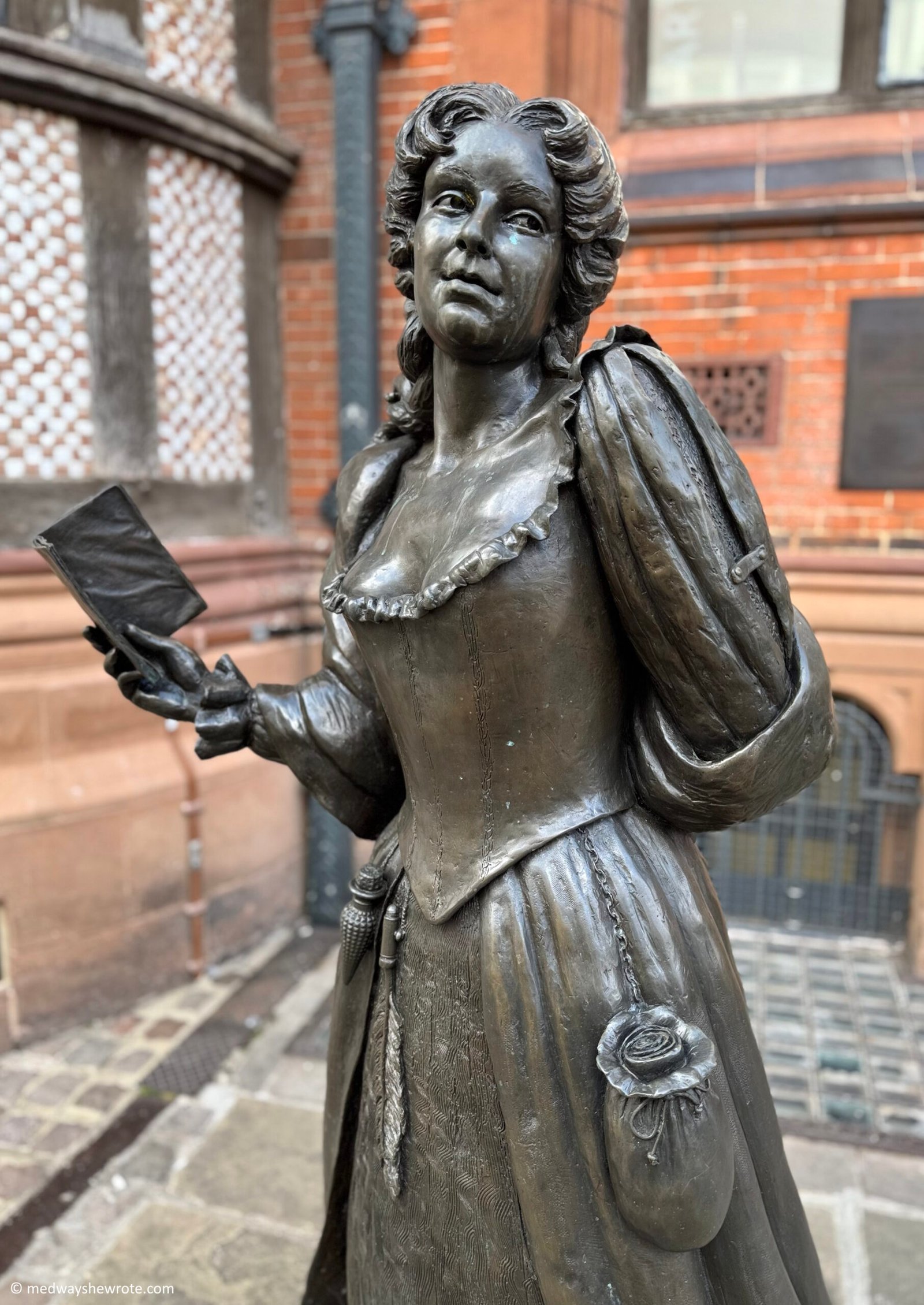
Interestingly given the side-hustle of her fellow Canterbury playwright, Kit Marlowe, Behn was also an international spy! Charles II hired her to carry out espionage in Antwerp during the Second Anglo-Dutch War, and her travels in Suriname are widely believed to have been cover for spying missions. She even had her own codenames, Agent 160 and Astrea. A statue of Behn, sculpted by Christine Charlesworth, stands outside the Beaney House of Art and Knowledge on Canterbury’s High Street (pictured above).
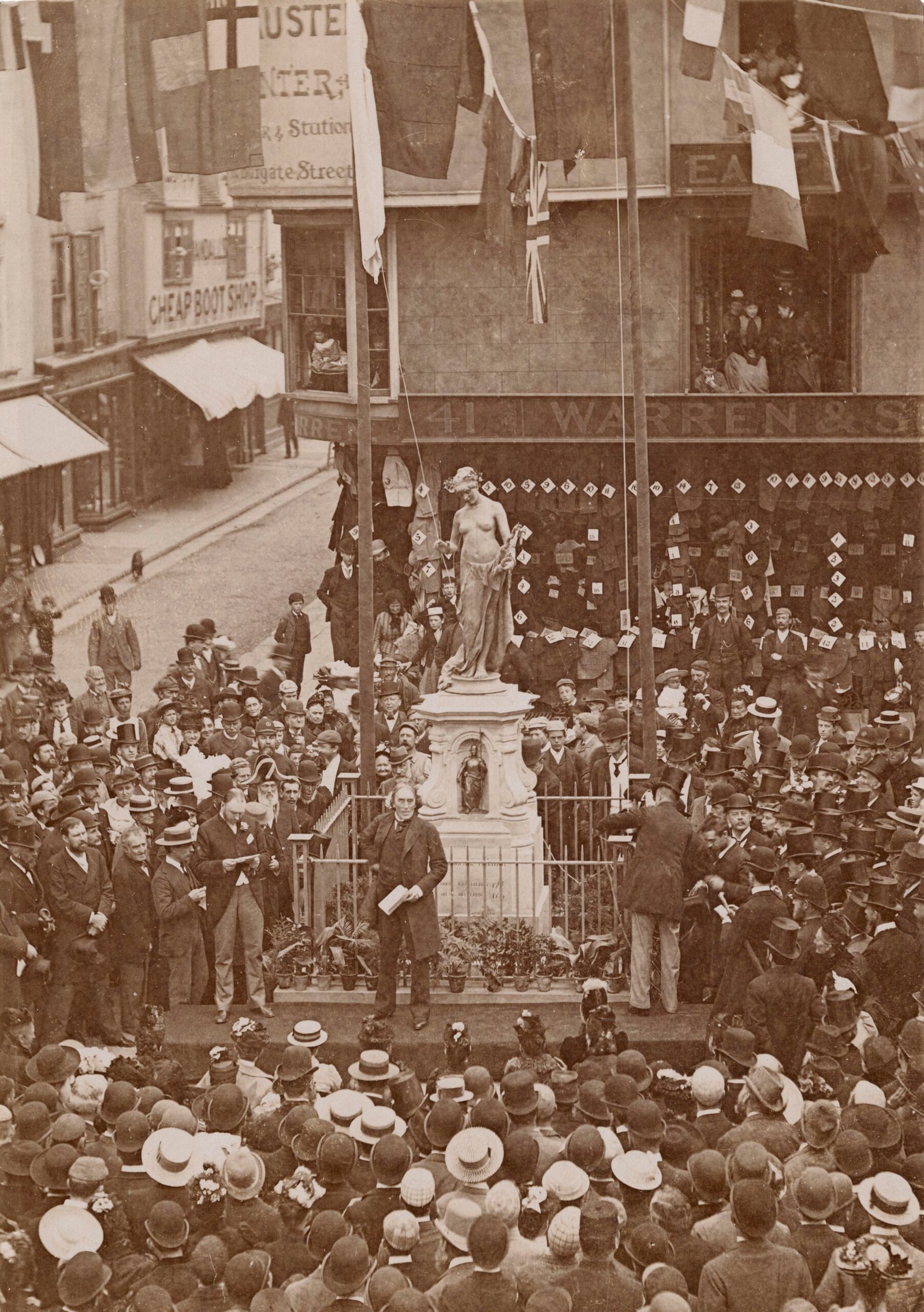
Image #23870, ART File I72 no.27 PHOTO, Folger Shakespeare Library
There’s a memorial to Christopher Marlowe outside the theatre that bears his name in Canterbury. I don’t have my own photograph of the memorial yet, so here’s a picture of it being unveiled by superstar Victorian actor, Henry Irving, in 1891. It was clearly quite the occasion!
Speaking of The Marlowe Theatre…
The Marlowe Theatre

The Marlowe in Canterbury is one of my favourite theatres. It’s been through various incarnations and locations since it started out as a small theatre on St Margaret’s Street, just before the First World War. That building was demolished in 1982 to make way for the Marlowe Arcade, and the Marlowe theatre moved to its current site off the High Street, replacing the old Odeon Cinema. After 25 years, that version of the theatre was then redeveloped into the lovely, modern space that we have today.
What I like about The Marlowe is that there’s no such thing as a bad view in this theatre. No seat is more than 25 metres from the stage, there’s very little overhang from the circle and balcony tiers, and there’s always plenty of legroom. The views over Canterbury Cathedral from the public areas on the upper floors are tremendous, and there’s ample room for milling around (either inside or outside) during intervals. It’s a refreshing change from the squashed and stuffy experiences you sometimes get in more traditional theatres.
I’ve seen all kinds of shows at The Marlowe, from blockbuster musicals including Operation Mincemeat and Kinky Boots, to independent local production The Party Girls, and acclaimed plays such as The Boy at the Back of the Class. It’s a great space to watch dance too. I saw Matthew Bourne’s Swan Lake at The Marlowe, which to this day remains the most mesmerising production I have seen on a stage ever, and I’ve seen Acosta Danza there twice. Other personal Marlowe highlights include Isobel McArthur’s brilliant Pride & Prejudice (Sort of) and the absolute bop that was Now That’s What I Call A Musical.
The Marlowe isn’t Canterbury’s only theatre though. There’s also The Gulbenkian Arts Centre and The Malthouse, both of which are on my ever-expanding list of must-try venues. In summer, the city hosts the annual Canterbury Shakespeare Festival. In October, the Canterbury Festival takes over, with theatre, concerts, talks, gigs and other events taking place in all kinds of venues across the city for two weeks.
Where to eat in Canterbury
It’s always nice to go for something to eat before or after a theatre show. You don’t want your stomach rumbling loudly during a crucial moment in a play, earning disapproving tuts from the person sitting next to you. Plus it’s always fun to do some amateur theatre criticism over a bite to eat, or a post-show beverage in the evening.
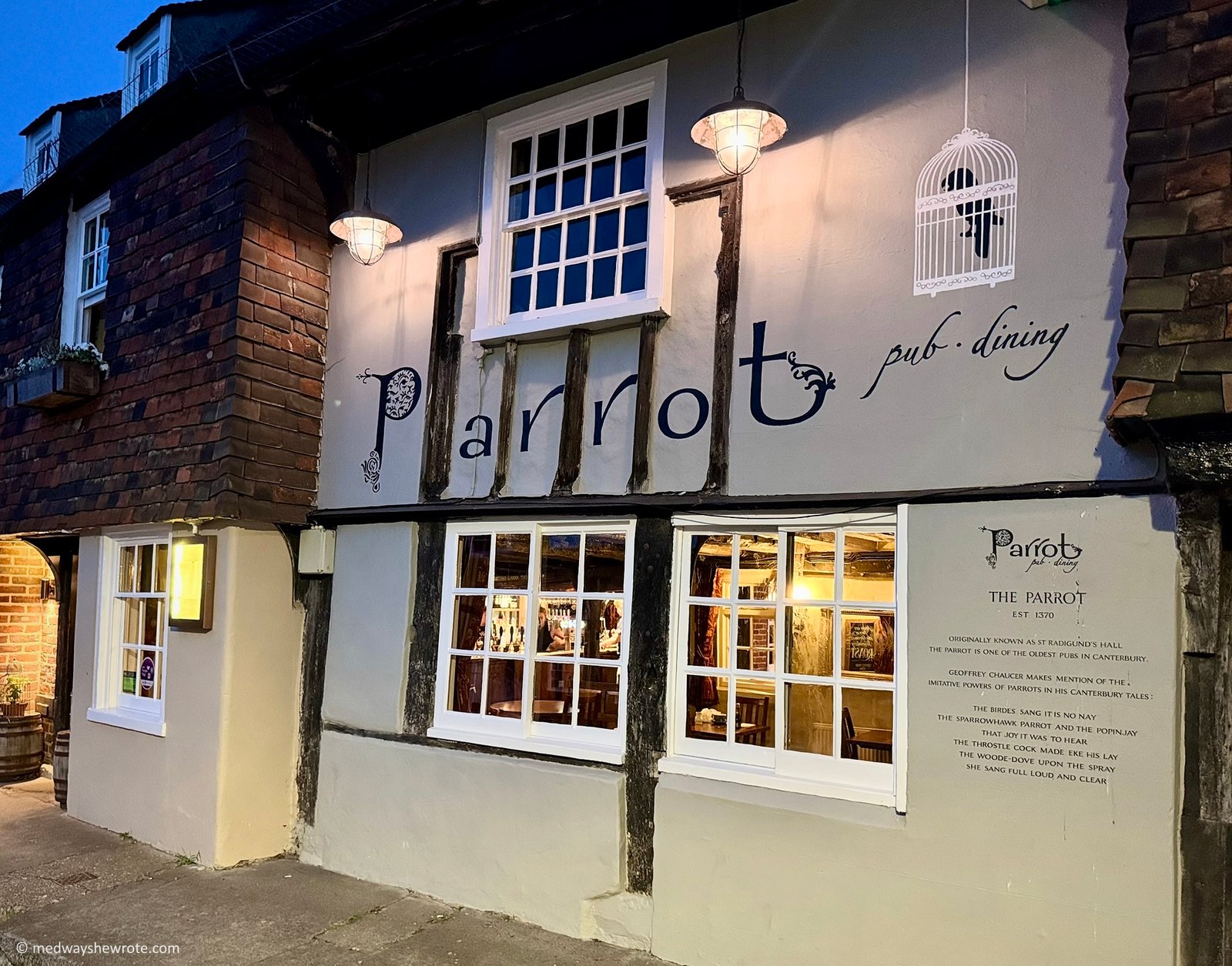
Having been a regular theatre pilgrim to Canterbury for some time, I’ve collected several favourite restaurants near The Marlowe. Café des Amis is a hop, skip and a jump from the theatre and right on the river beside Westgate Gardens. Always busy and buzzy, it serves hearty Mexican food and great frozen margaritas. Just around the corner from The Marlowe, The Parrot can be relied on for tasty gastropub classics and fine ales, and you can sit outside in its pretty walled beer garden if the weather’s on your side.
Slightly further away from The Marlowe, I’d recommend The Cook’s Tale for top-notch, contemporary Indian food, The Corner House for modern British plates and The Korean Cowgirl for superb Asian-meets-Texan feasts and cocktails (I still think about the smoked brisket and cajun parmesan corn I had there on my last visit).
Some of my go-tos for a lighter lunch pre-theatre include Tiny Tim’s Tearoom for afternoon tea, light lunches and doorstop-sized slices of cake (you will have to queue when it’s busy), Kitch for hearty salads, bowls and soups, and The Canterbury Bakery for sandwiches, toasties, pasties and sausage rolls.
There are, of course, many other options than I’ve named here, and plenty more that I still have to try. Canterbury has all the usual suspects when it comes to chain restaurants too, so you won’t struggle to find something to suit you.
Where to go for drinks in Canterbury
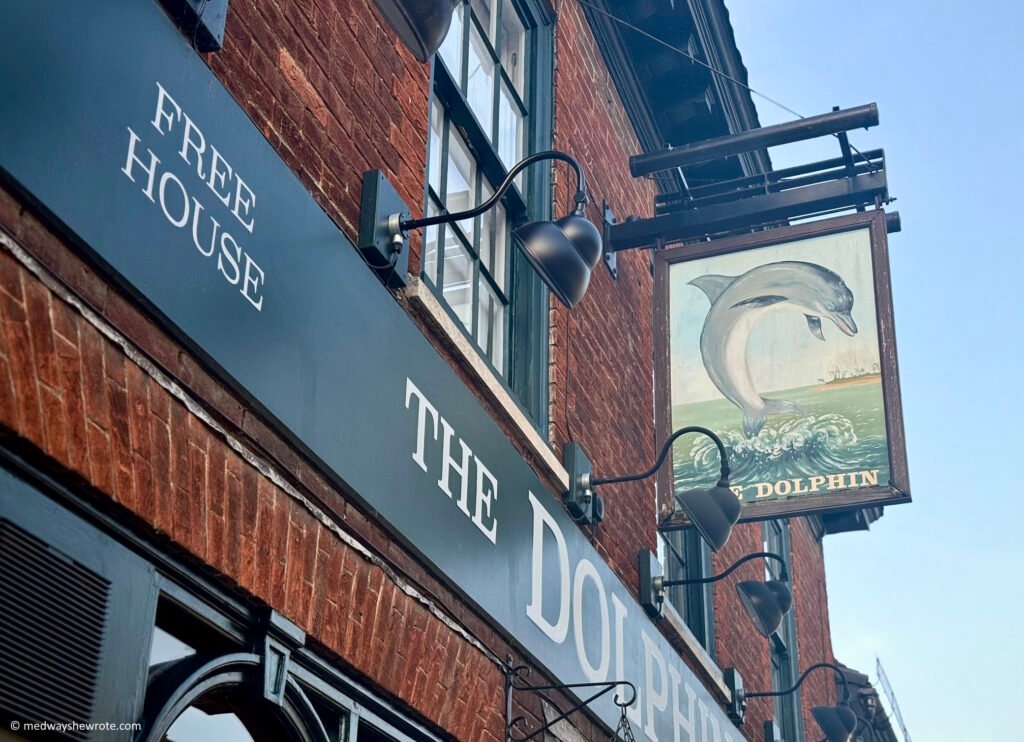
There is no shortage of pubs and bars in Canterbury. Whether you’re after a traditional pub, craft ales or cocktails, you’re spoilt for choice. My regular haunts near The Marlowe include The Foundry for home-brewed beers and home-distilled gins, The Parrot, The Dolphin and the Pegasus Taproom. I particularly like The Fig for cocktails, and I’ve heard good things about The Ballroom and The Lady Luck. But there are tons of others I haven’t been to yet. I’ve lost count of the number of pubs The Man of Kent has pointed out to me on our meanders around the city while saying, “We need to try that one,” “We should go there next time,” “That looks like a nice pub.” He is a true enthusiast.
If you’re after a restorative cup of tea or coffee, there’s quality places for hot drinks about every three steps in Canterbury. I’d pick out Tiny Tim’s Tearoom or Burgate Coffee if pressed for a recommendation.
What else to do in Canterbury while you’re there
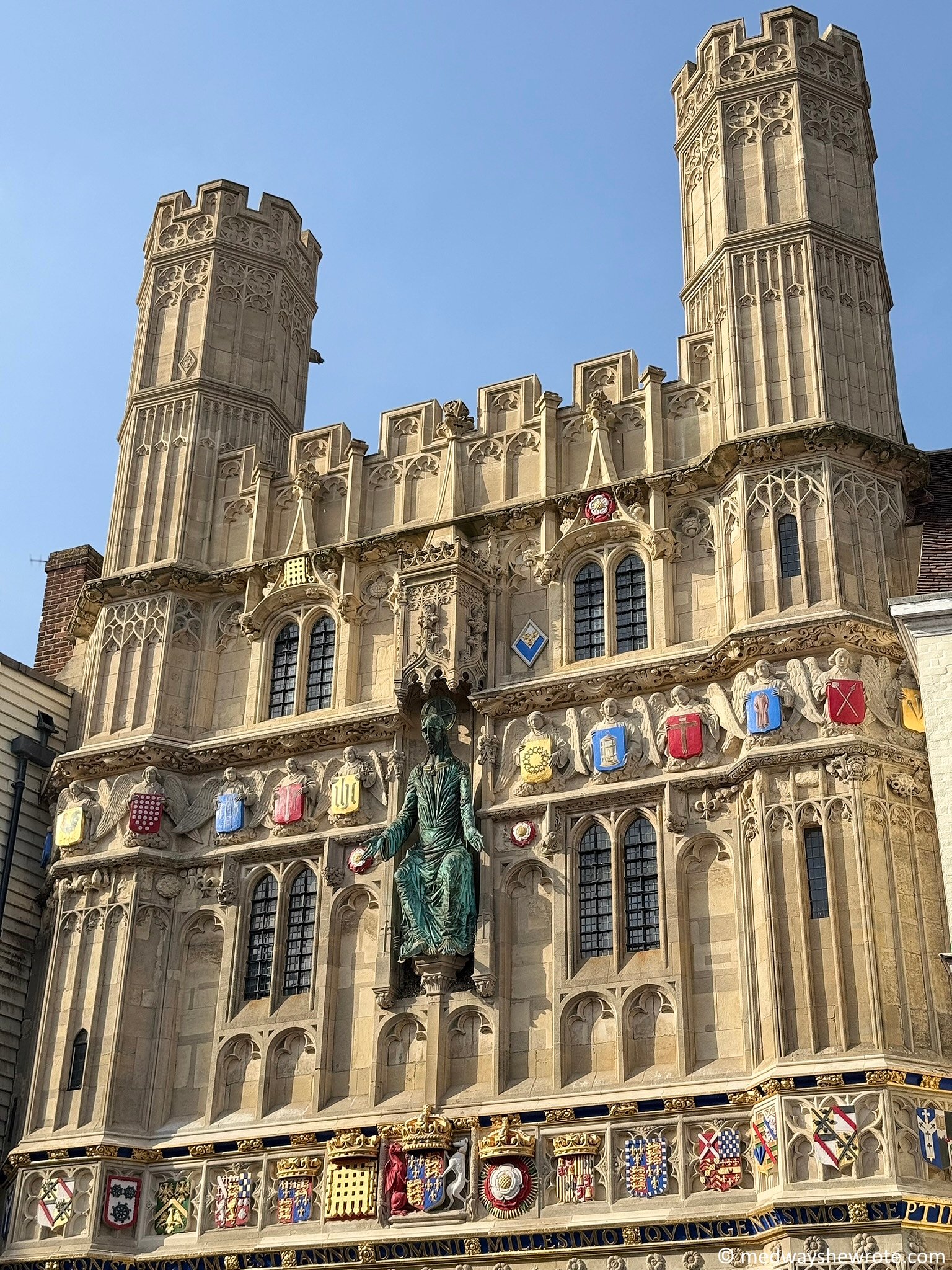
It’s easy to fill a whole day, or even a weekend, in Canterbury with sights and activities.
Don’t miss Canterbury Cathedral. It really is spectacular. Thousands of people go there every year to visit the shrine of Thomas Becket. You can do various tours (I am determined to do the library tour one of these days) and entry tickets are valid for twelve months.
The Canterbury Roman Museum is an interesting diversion for history fans that doesn’t take long to see, as is The Beaney House of Art and Knowledge. At The Beaney, you can visit Bagpuss and Aphra Behn’s statue outside, plus a treasure trove of art and unusual items collected from around the world by Kentish explorers, including a mummified cat (no, I’m not making that up).
If the weather’s nice, go for a toddle along the Stour in Westgate Gardens, or a river cruise (you can also hire a punt). Or go on a statue crawl – as well as Aphra Behn, you can look out for Geoffrey Chaucer, King Ethelbert and Queen Bertha of Kent, and many more.
You can also indulge in a spot of retail therapy. Independent shops abound beside the Cathedral, and the Marlowe Arcade and High Street have plenty of familiar names to browse. Second-hand bookshop lovers should not miss The Chaucer Bookshop, Burgate Books, The Crooked House, and the Oxfam bookshop on the High Street. And do pop into Canterbury Pottery; the craftmanship on display is astonishing and their range is one-of-a-kind. I’m determined to have a set of their chubby mugs one day.
If all that activity is getting a bit much, The Franciscan Gardens are a delightful, quiet spot to escape the hustle and bustle.
Making a weekend of it?
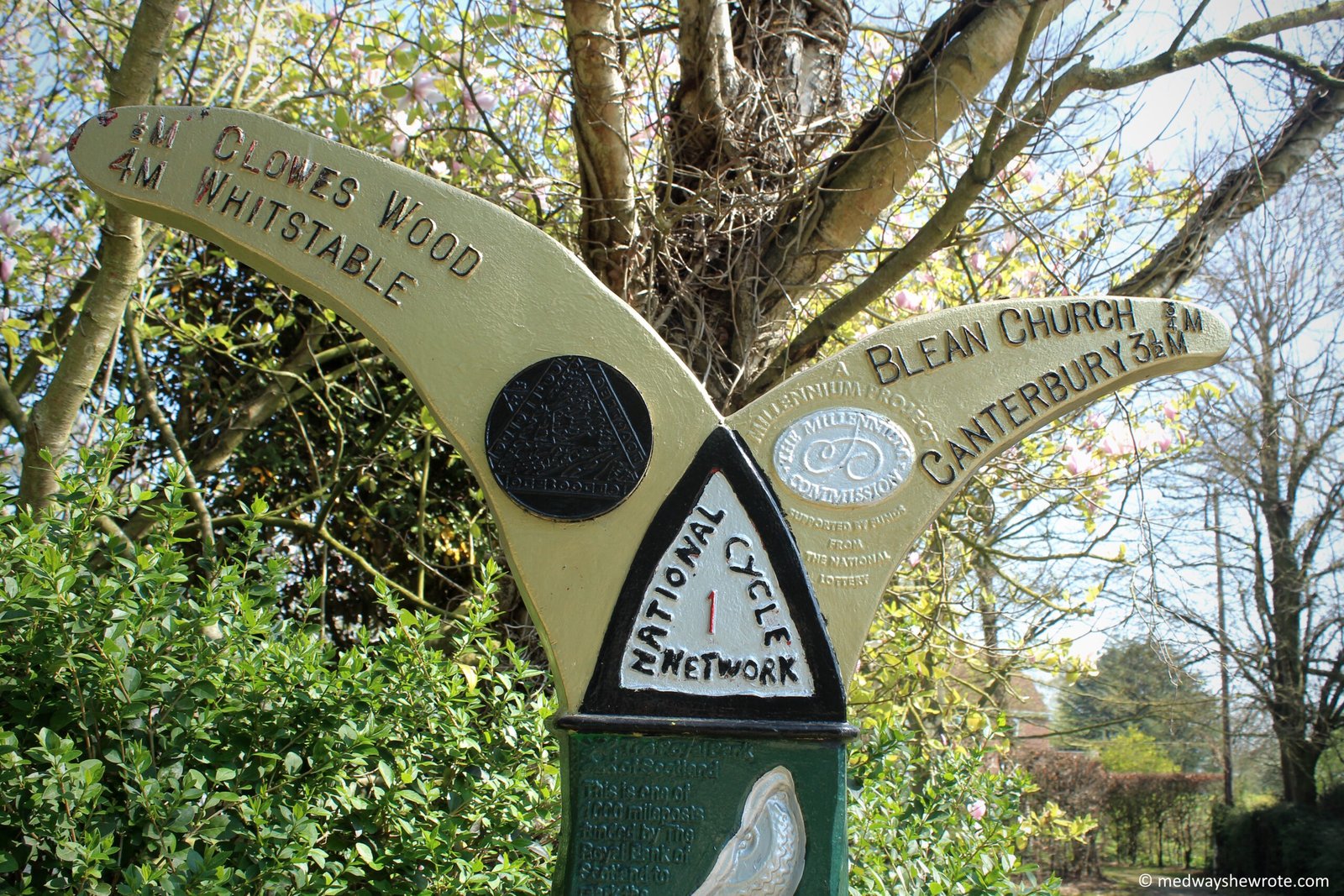
If you’re going to the theatre on a Friday or Saturday and happen to be making a weekend of your stay in Canterbury, why not tack on a visit to nearby Whitstable or Margate? Both are easily reached by train, bus or car from Canterbury.
If you feel like a scenic country hike, you can walk to Whitstable via The Crab and Winkle Way or follow the Great Stour Way from Canterbury to Chartham and back again (about 3 miles in each direction). If you’re feeling up to a longer hike, you can do a circular 14-mile walk along the North Downs Way from Canterbury to Chilham and back again. The latter almost killed The Man of Kent when we first tried it, but thankfully I was able to get him to The Foundry for a restorative pint on the return leg.
Another grand day out near Canterbury is Wildwood, a wildlife park that’s home to over 200 native British species including bison, elk, lynx and bears. Wildwood is midway between Canterbury and Herne Bay, and easy to reach by public transport. You can jump on the 600 or 601 bus from Canterbury bus station, both of which go straight to Wildwood and take about 20 minutes. If you travel to Wildwood by bus, train or bike, you get 50% off the cost of standard individual tickets. You can also drive there but parking is fairly limited, so if you’re going by car, get there early to be sure of getting a space.
For accommodation options, I’ve enjoyed overnight stays at The Corner House and The Hugo. Both are stylish, comfortable and right in the city centre. The Corner House does a smashing breakfast too.
And finally

Going up to London to see a glitzy West End musical or an up-and-coming number will never go out of fashion, but it’s not the only way to see top-class shows and grassroots productions – you can do that on home turf right here in Kent.
Seeing theatre at home also means you’re supporting regional venues and the local economy, and in these dire economic times, your support is needed more than ever. So have a look at what’s on in a theatre near you. Definitely check out The Marlowe, but see at what’s coming up at other Kent venues too, including, but not limited to:
- In Medway, The Central Theatre, The Glassbox, St Margaret’s Church and the Medway Little Theatre. Chatham’s Brook Theatre is currently closed for major refurbishment.
- Dartford’s Orchard Theatre
- The Woodville in Gravesend
- The Assembly Hall and The Trinity Theatre in Tunbridge Wells
- The Hazlitt Theatre in Maidstone
- The Granville in Ramsgate
- In Margate, the Winter Gardens and Tom Thumb Theatre. The Theatre Royal is currently expected to reopen in 2027.
- The Playhouse Theatre in Whitstable
- In Folkestone, Leas Cliff Hall, the Tower Theatre and the Folkestone Quarterhouse
As I write this it’s boiling, with temperatures breaking all records for May. Good weather may or may not tempt you to see outdoor theatre, but if you fancy it, I can highly recommend Changeling Theatre and Illyria Outdoor Theatre. Changeling does annual outdoor productions of Shakespeare, Noel Coward and Restoration-era comedies across Kent that are tremendous fun. Illyria performs across the UK with regular trips to the Garden of England, and their productions of Gilbert and Sullivan operettas, Shakespeare and adaptions of popular books are hugely entertaining.
Happy theatre-going!
Thanks for reading! Have I missed out your favourite Canterbury restaurant or Kentish theatre? Where else should I visit in Canterbury? Tell me in the comments!
If you enjoyed this post, you can subscribe to be notified of new ones using the subscribe button at the bottom of the page. You can also follow Medway, She Wrote on Instagram.


Leave a Reply