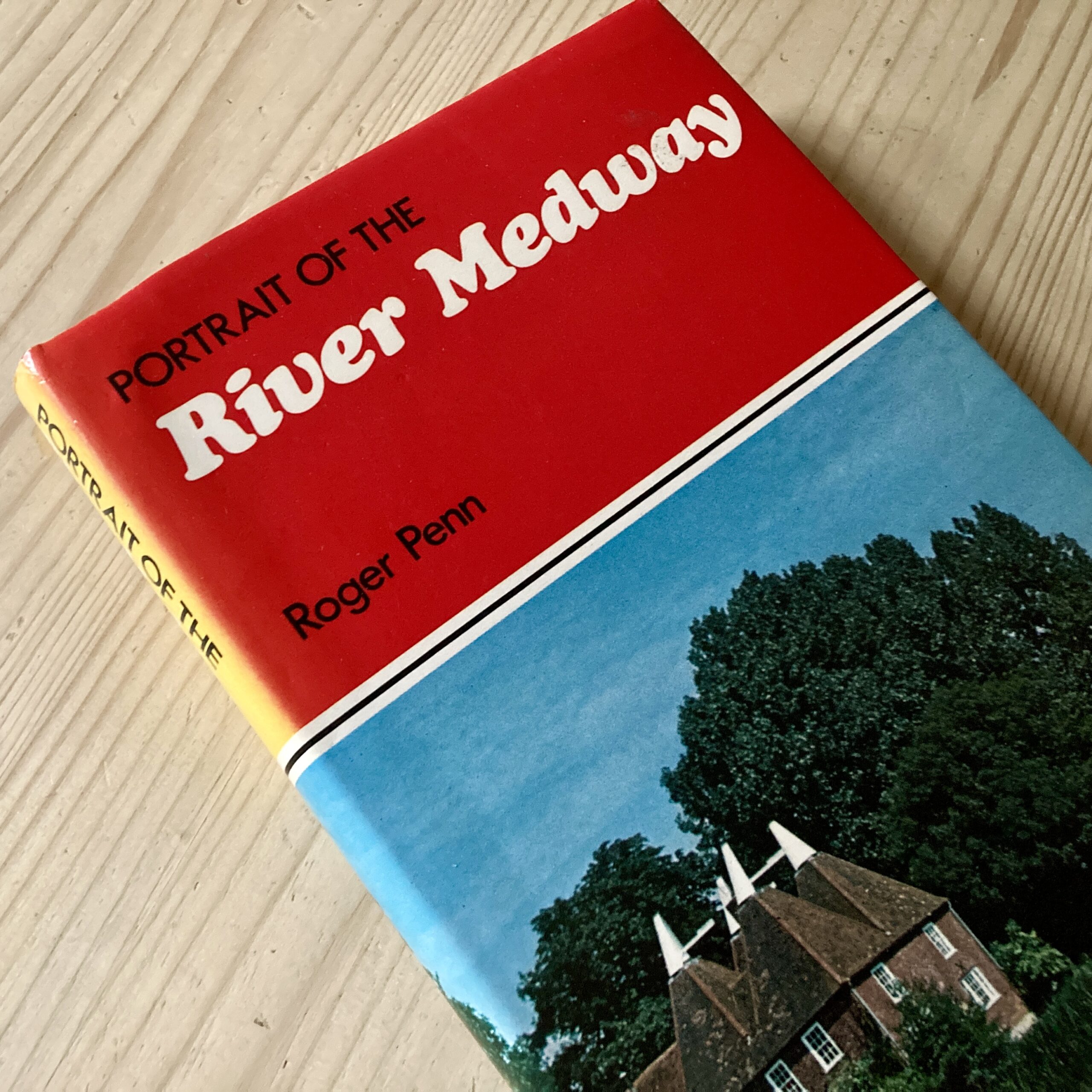
“Men of Kent and Kentish Men. The natives of Kent are often spoken of in these different terms. Will you be so good as to inform me what is the difference between these most undoubtedly distinctive people?” – B.M.
Notes and Queries, (Vol 5, No. 127), 3 April 1852
I remember the night I first met The Man of Kent. It was at a fancy dress party, first week of university. The theme of the party was ‘P’. One guy came wearing a massive box (‘parcel’). Another came dressed head-to-toe in newspaper (‘paper’), which later proved impractical when they tried to go to the loo. A good friend went all out and came attired in the full armour of a Paladin knight. I had cheaped out on a sparkly tiara from Claire’s Accessories so that I could make a last-minute, lo-fi attempt at ‘princess’. The Man of Kent was dressed as a priest (an unusual choice as he is a staunch atheist).
At some point in the evening, I asked him where he was from. He informed me that he was ‘a man of Kent’. I took this as a purely factual answer. He was describing himself as a man from Kent, in the same way that I might have described myself as a girl from Gateshead. I thought it was a literal description, nothing more.
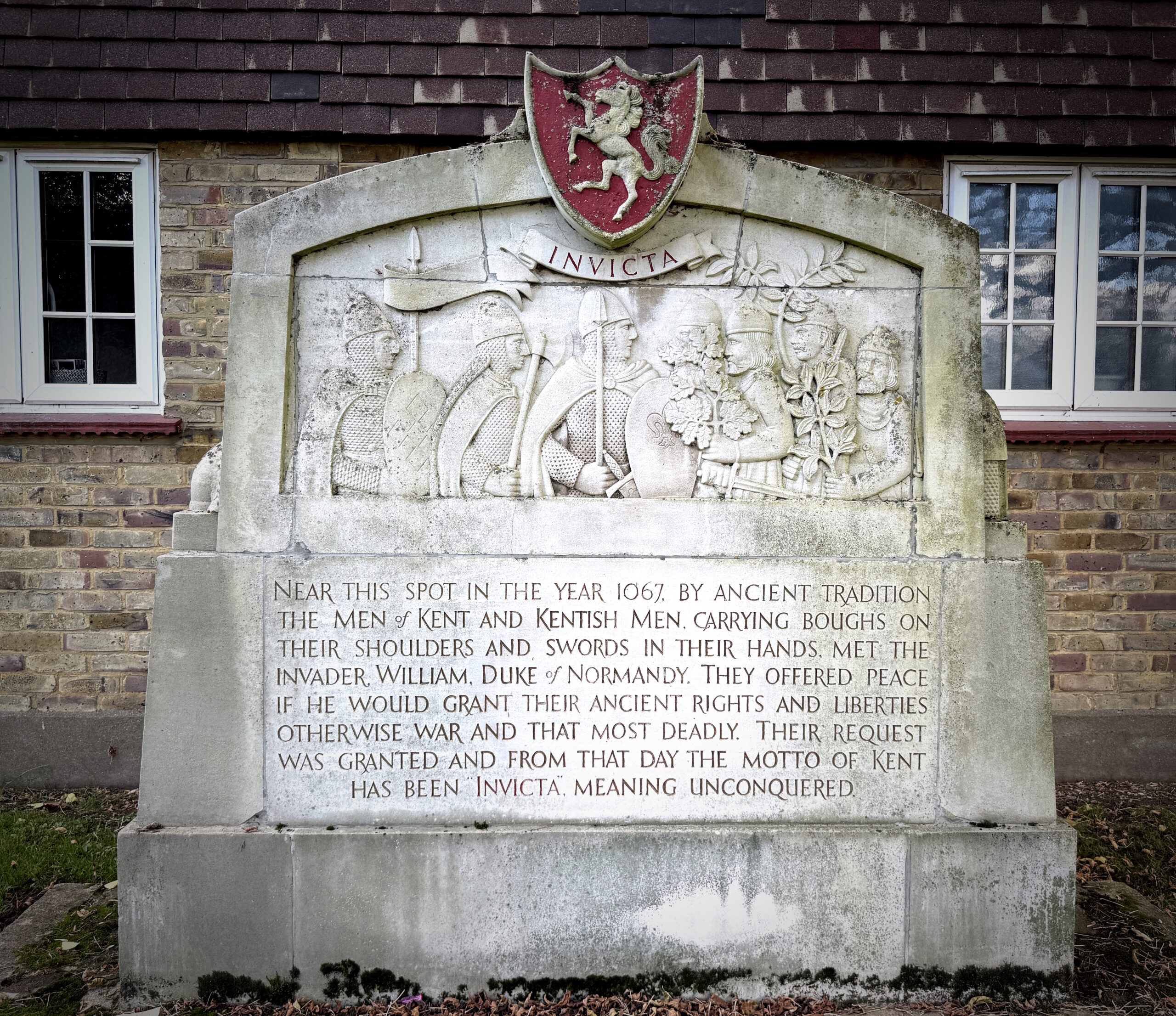
“I am a Man of Kent” was how he described himself to everyone. He never said, “I’m from Kent” or “I come from Medway.” When someone asked where he was from, he would always proudly announce, “I am a Man of Kent.” If someone queried his rather grand way of stating from whence he came, he would explain further; he was a ‘Man of Kent’ because he came from east of the River Medway. Women from east of the Medway are known as ‘Maids of Kent’. Someone from west of the river Medway, on the other hand, was known as a ‘Kentish Man’ or ‘Kentish Maid’.
The Man of Kent insisted that this distinction was very important. I could understand that. It sounded a bit like the difference between a Geordie and a Mackem. Or a Geordie and a Smoggie. Or any of the other important regional distinctions back home in the North East, where I come from.
Several years later, I married this particular Man of Kent, and we moved into a tiny house in Gillingham, which is east of the Medway. I think that might make me a Maid of Kent by marriage. It definitely makes me a Medway Geordie, anyway.
And that, dear reader, is the story of how I met my husband. It’s also why I refer to him as ‘The Man of Kent’ on this blog.
But how did this distinction between ‘Man of Kent’ and ‘Kentish Man’ come about? I never doubted the Man of Kent’s explanation, but recently I thought I’d look into the history of it myself. What I found were several different theories, a bit of Victorian argy-bargy, and a grand legend that I’d never heard of before – and neither had the Man of Kent himself!