“Never eat more than you can lift.”
Miss Piggy
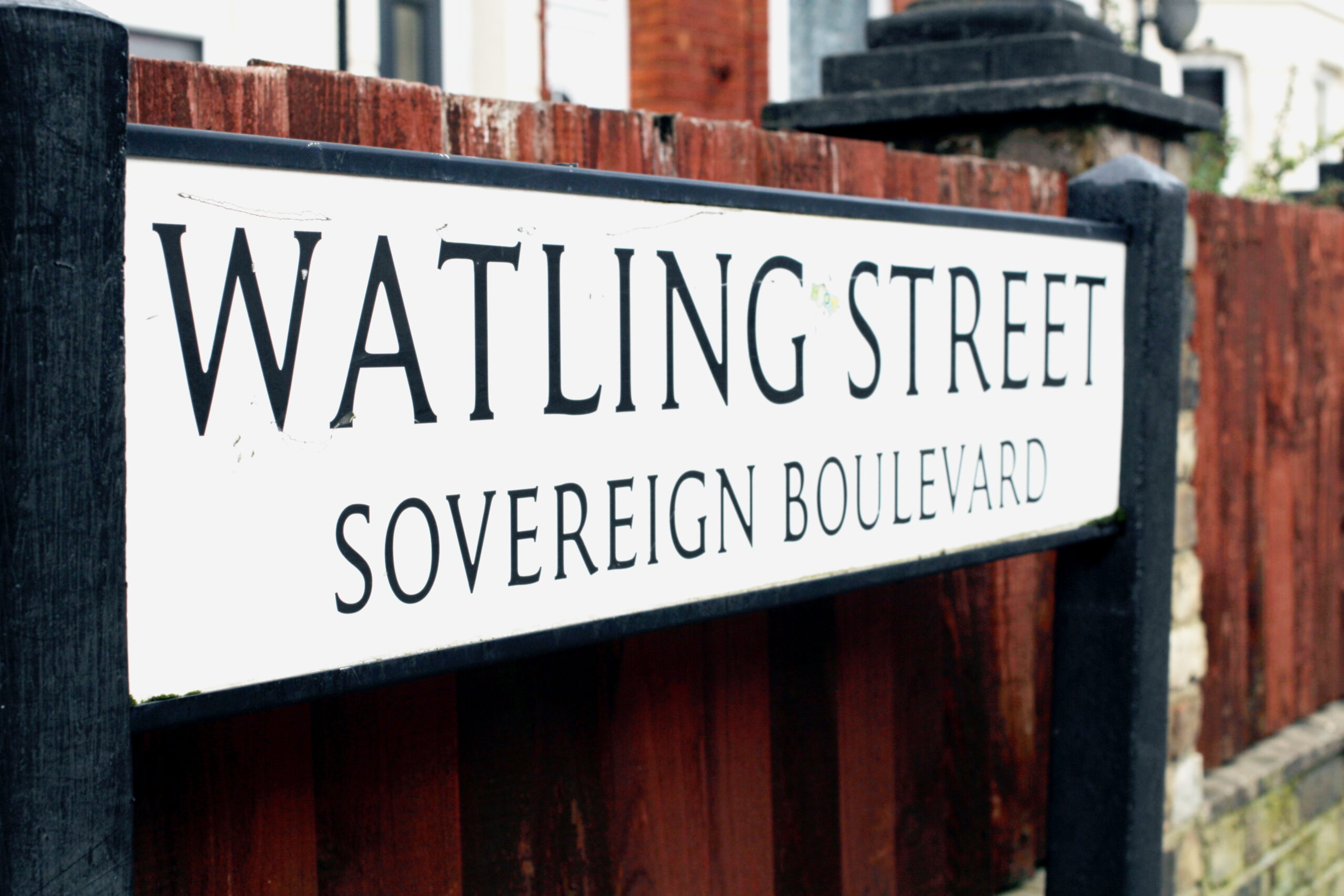
I am standing on a traffic island in the middle of Watling Street. I think I have achieved something almost impossible – being in two places at once. On this bit of Watling Street, one side is in Chatham, and the other is in Gillingham. So if my calculations are correct, my left foot is in Gillingham, and my right foot is in Chatham: two places at once. That’s just one of many interesting things about this apparently average road.
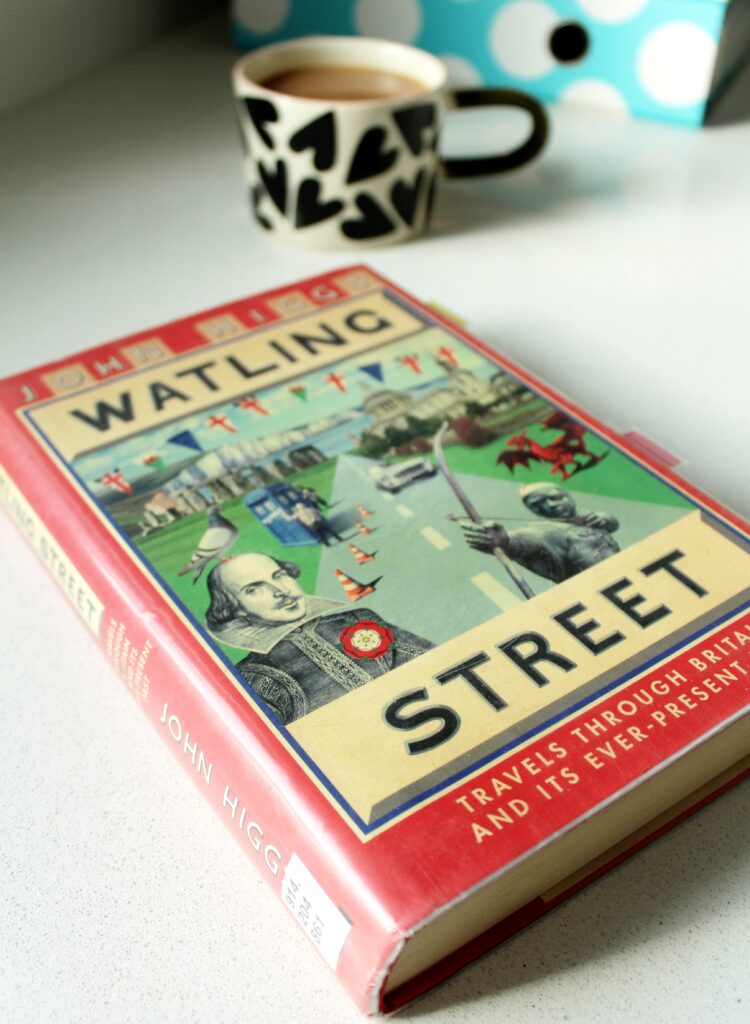
Watling Street is a really long street – 276 miles long to be exact, stretching all the way from Dover to Anglesey in North Wales. It passes through many towns and cities, and has connections to Charles Dickens, James Bond and Star Wars. As John Higgs writes in his informative book, ‘Watling Street: Travels Through Britain and Its Ever-Present Past’, Watling Street is a road that is “simultaneously mundane and extraordinary.”
Watling Street is also really old. According to some historians, it even pre-dates the Romans. The name Watling Street originated in the Dark Ages and comes from the word ‘Waecla’. Waecla was a local warlord whose people were known as the Waeclingas. According to John Higgs, the Waeclingas didn’t actually build the road we now know as Watling Street. It was just named after the Waeclingas because it ran through their territory. The original name of the road was “Waeclinga Straet”, which later became ‘Watling Street’. That’s the name you will still see used along many parts of the modern day road, including in Kent.
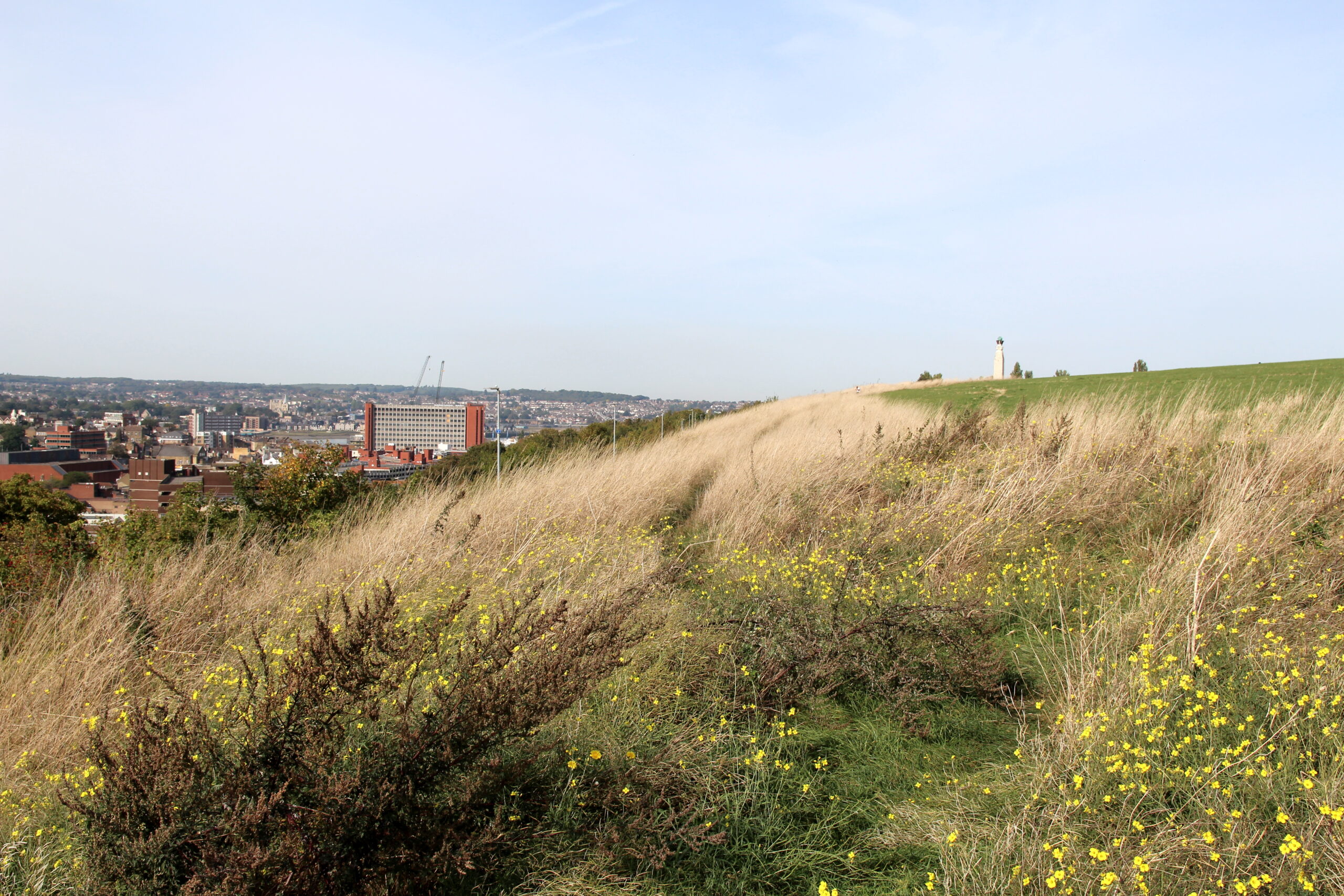
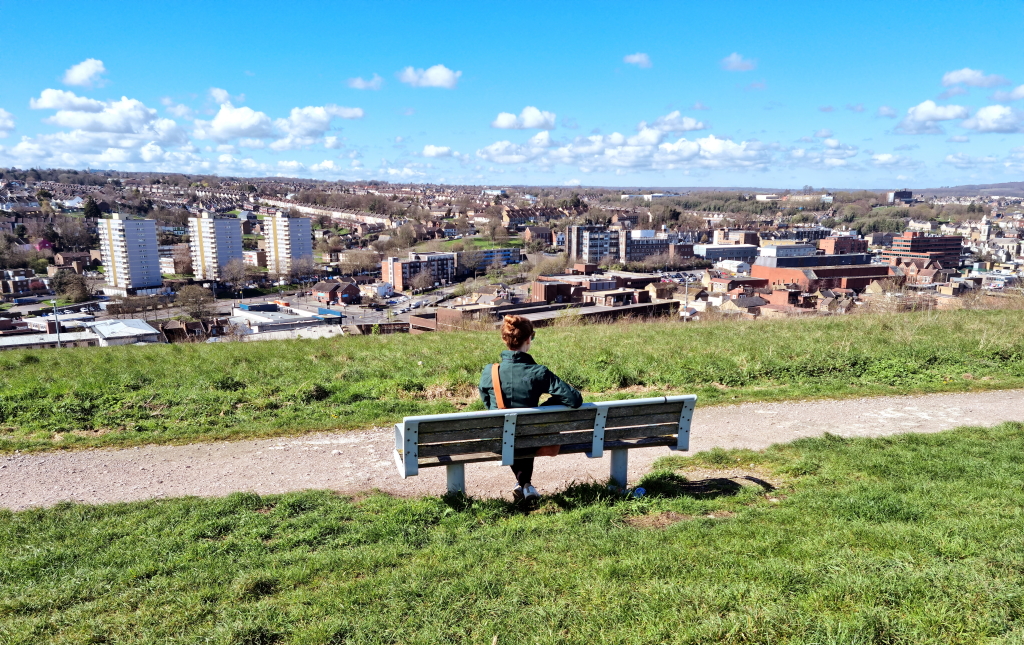
Watling Street runs right through Medway, and the bit I know best is in Gillingham. Disappointingly, the Medway part of Watling Street gets scant coverage in John Higgs’ book, and Gillingham doesn’t even get a mention. But I think it’s worth talking about, so here we go.